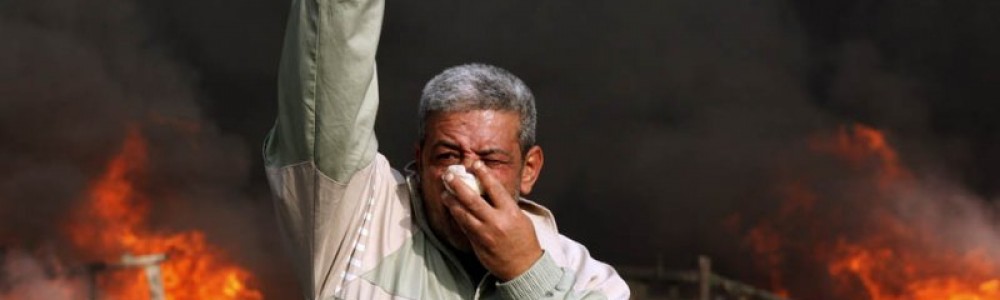
While country- specific socio-economic factors contributed to the protests that we have witnessed during the last couple of years, the countries affected don’t necessarily share those same grievances. Each country’s circumstances are specific and political solutions respond to the specific problems each country faces.
The factors that contributed to the unleashing of mass protests in Tunisia, Egypt, Libya, Yemen, Syria and Bahrain differ in so many parameters. Not all the governments were despotic; some were autocratic and a few democratic.
People living in Bahrain, upon hearing a protest that took place in Tunisia or Egypt need not go on to the streets to protest, for the two countries are very different when it comes to the socio-economic aspects including unemployment, social benefits and political realities on the ground.
A government that spends a considerable amount of its budget on subsidising basic items, sets in place programmes that empower women and unemployed youth, embarks on building affordable housing units for its citizens, to mention but few, should not be seen on a par with the rest of the so-called Arab Spring countries.
The Arab Spring has now crystallised into a sectarian fault line, which was not on the agenda of the protesters when they first took to the streets. Alleged political fault lines gave rise to sectarian animosity, which has serious consequences for generations to come.
Likewise, the social media nowadays is awash with singular information – that of calling a protest for August 14 in the streets of Bahrain, known as ‘tamarod’ (rebel),to emulate the protests that ousted President Mursi last week from office. The upcoming protest is allegedly sponsored by opposition groups and if it takes place, it will bring the Al Wefaq supporters into the streets, which is not something new, just another daily occurrence in Bahrain.
While the situations in both Egypt and Bahrain are completely different, dancing to the Egyptian rhythm in the streets of Bahrain is not only going to be counterproductive, but also likely to be a fiasco.
Engaging in the ongoing National Dialogue and exploiting it for a national reconciliation and nation-building, is the only option available for Bahrain’s political stalemate. This call for an alternative strategy is sure to be a futile exercise.
Duri