AFP/Manama
Bahrain’s King Hamad said at the opening of parliament yesterday that the government was open to dialogue with the opposition and also urged the body to criminalise “violence”.
“The door to talks remains open to everybody,” he said in a speech to MPs, while also warning the opposition against resorting to violence for political aims.
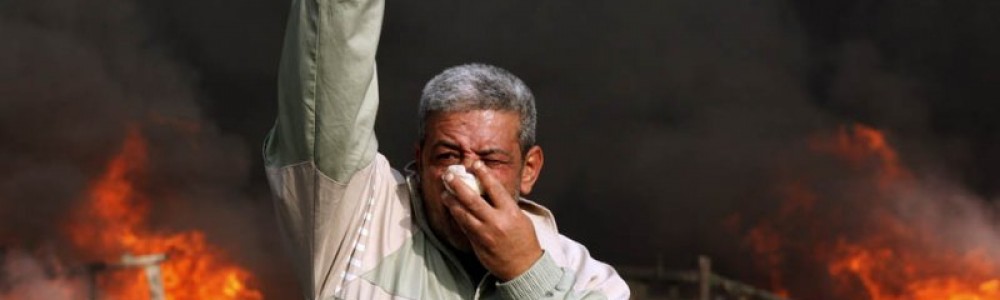
“Demands cannot be met through the use of force and violence but through dialogue and national understanding,” he said of near daily anti-government protests by Shias in the kingdom.
The Shia-led opposition in Bahrain wants a constitutional monarchy.
“We reject a grave escalation on the streets,” the king stressed, regretting that “democracy is being exploited so demands can be met through the use of violence and terrorism.”
He asked both chambers of parliament to consider “promulgating the necessary legislation to criminalise everything that harms our unity and the security of the population”.
Earlier yesterday, the main Shia opposition group Al Wefaq in a statement lamented what it called “the absence of credibility” in statements by those in power on their openness to “dialogue”.
It issued the statement after its leader, cleric Sheikh Ali Salman, was called in by police for questioning over remarks the authorities said related to “sectarian and security” matters.
Criminal investigation police questioned him in the presence of two lawyers over statements he made during a visit to Egypt earlier this month, according to a statement carried by the BNA state news agency.
Al Wefaq dominated elections twice in 2006 and 2010 in Shia areas of the kingdom, and formed the largest single bloc in both parliaments.
But its MPs resigned in protest over violence used by security forces against Shia-dominated protests that broke out in mid-February 2011.
Five medics jailed in connection with last year’s protests went on hunger strike yesterday, urging international rights groups to campaign for their release, lawyers said.
The Shia medics, who have been in prison since October 1 after the kingdom’s highest court upheld their prison sentences, called their action “The Lost Justice”, and have stopped taking food and medicine, the lawyers said.
A sixth medic has been released because of time already served.
The hunger strikers include consultant orthopaedic surgeon Ali Alekri, who was sentenced to five years, and senior nurse Ibrahim Damastani who was given a three-year term.
Both were convicted of possessing a weapon and of illegal assembly.
The remaining medics were found guilty of illegal assembly and inciting hatred, and were sentenced to between two months and a year.
Three other medics’ convictions were also upheld by the high court, but they had already served their sentences.
They were among 20 doctors and nurses who worked at the Salmaniya Medical Complex in Manama.
All 20 were first charged and convicted by a quasi-military court formed after the government crackdown on the protests, and many initially received sentences of up to 15 years.
Nine were acquitted by a lower appeals court in June.