Standard Poor’s Ratings Services affirmed its long- and short-term foreign and local currency sovereign credit ratings on Bahrain at BBB/A-2 on Friday. The outlook is stable.
“At the same time, we affirmed the “BBB/A-2” ratings on the Central Bank of Bahrain,” the rating agency stated.
“Our ratings on Bahrain are supported by the country’s relatively stable growth prospects, our view that it will likely receive GCC development funds and our expectation that oil prices in 2014-2017 will average out at about $ 103 per barrel, which will support public finances,” the agency added.
“The ratings are constrained by our view of Bahrain’s unresolved domestic political tensions, which hamper economic policy effectiveness, and its fiscal dependency on sustained high oil prices. The ratings are also limited by stagnating real GDP per capita growth — we forecast this ratio will increase on average by less than 1 percent per year between 2014 and 2017. This is low compared with peers at similar wealth levels,” the agency said.
In 2013, real GDP growth improved because Bahrain resolved its oil production difficulties. “In future, we expect that headline real GDP growth will slow slightly, but remain at around 4 percent. Underlying this growth, we expect public sector capital projects and private sector consumption to increase gradually, alongside broadly static investment growth. However, we anticipate that wealth levels will rise only slowly because of estimated population growth. We consider the government is likely to increase subsidies as a result,” SP stated.
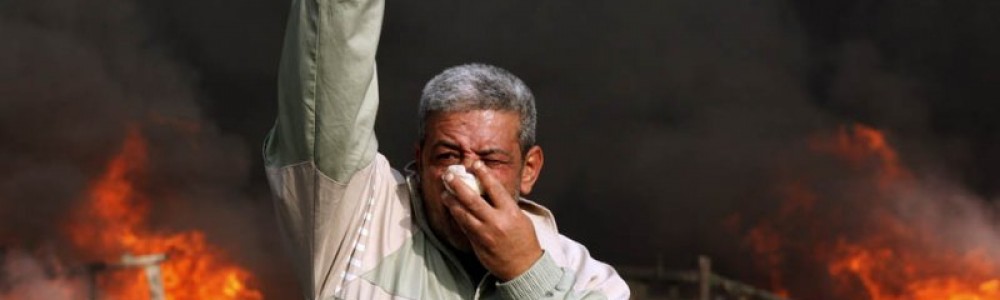
“The island’s political tensions continue, in our view. Although we believe the government has established a post-crisis status quo, this still includes occasional street protests, entrenched polarization between the Shia and Sunni communities, internal communal divisions, and the relegation of economic policymaking. We understand that various government opposition groups could boycott the parliamentary elections scheduled for the fourth quarter of 2014. The ongoing discussions about whether or not opposition groups will participate indicates that political consensus remains elusive and the process of reconciliation is uncertain,” the agency said.
“In our view, broad economic growth and the socioeconomic targeting of the GCC development funds could assist in the gradual normalization of the political process. The development funds available during 2014-2017 will channel about $ 4 billion of grants, mainly into housing, infrastructure, and electricity and water projects,” SP added.
Bahrain’s fiscal vulnerability to oil prices remains extremely high. Oil and gas revenues accounted for approximately 88 percent of total fiscal revenues in 2013. Because the average oil price is expected to be $ 110 per barrel in 2014, general government revenues should help offset the budgeted 10 percent increase in expenditures. “We expect key expenditure increases in wages and subsidies (6 percent and 27 percent, respectively) will cause the deficit to widen slightly to 3 percent of GDP in 2014 from 2.1 percent in 2013.
News
Bahraini.Me