 Ancient forts are some of Bahrain’s most popular tourist attractions. (Photo: Michele Solmi / Flickr)
Great Britain officially recognized Bahrain as an independent country in 1971, but the island kingdom has been making efforts toward independence for years. The Bahrain archipelago, just east of Saudi Arabia in the Persian Gulf, was ruled by various entities (including the Arabs and Portugal) before it became a British protectorate in the 19th century.
Along with oil processing and banking, the economy depends on tourism. Like other Persian Gulf nations, Bahrain has been altering the landscape to create unique beachfront hotels to draw upscale tourists and expat residents. The Durrat al Bahrain complex, for example, features 15 man-made residential islands in various shapes around a central hotel. The multitudes of shops in Manama, the capital, also appeal to high-end tastes. Bahrain also built the first Formula One track in the Middle East.
But not everything is new. Historical sites include the Qal’at al-Bahrain (Fortress of Bahrain), which the ancient Dilmun Civilization originally built 3,000 years ago. The “Bahrain pearling trail” recognizes the islands’ 2,000 years of pearl diving. Then there’s the “Tree of Life” — a lone tree, hundreds of years old, that apparently survives in the middle of a stark desert without an external water source.
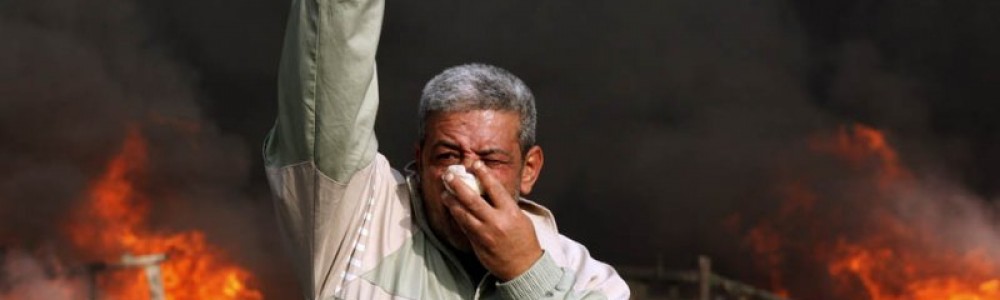
The growing pains that came with independence aren’t over: Like other countries in the Middle East, Bahrain has seen an increase in pro-democracy protests and ensuing crackdowns as part of the Arab Spring.
Open all references in tabs: [1 – 3]